
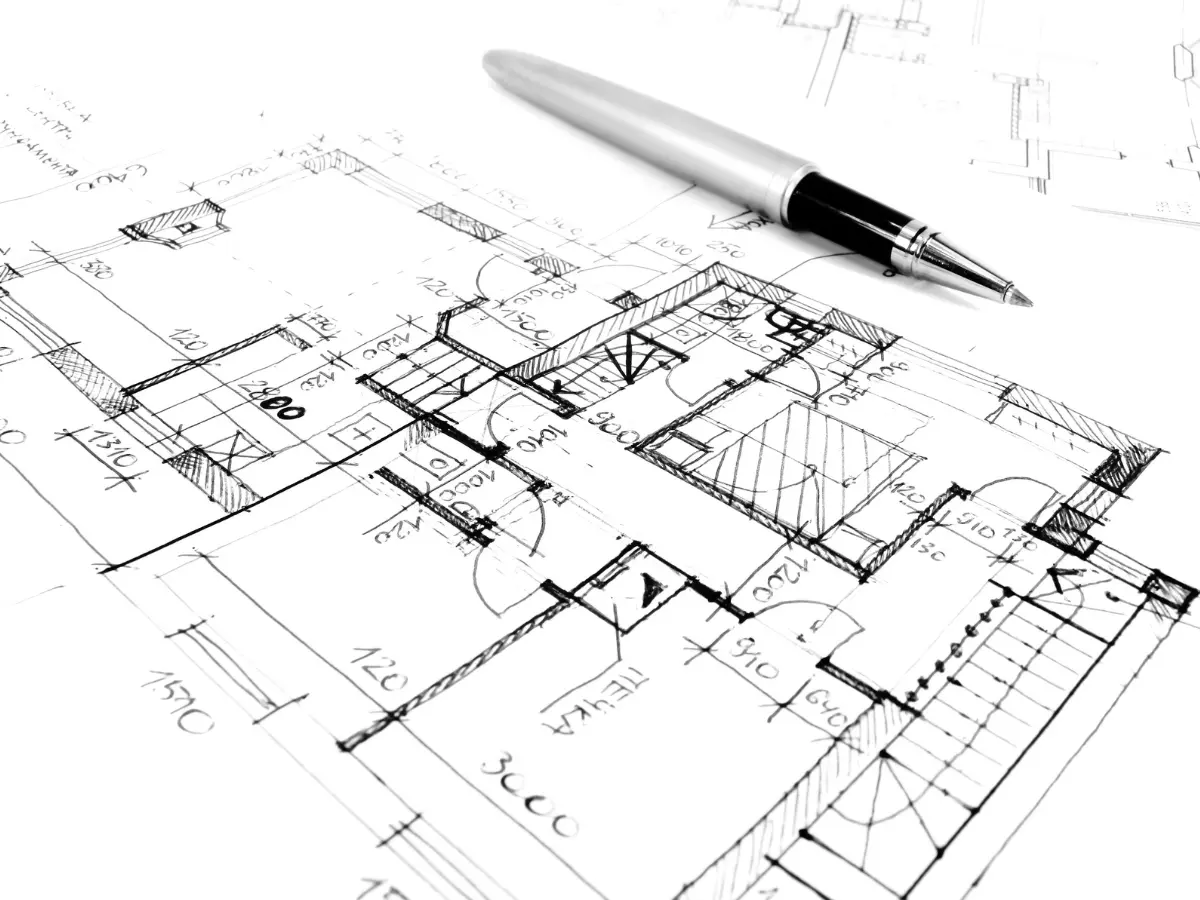
In today’s competitive global economy, architecture is no longer just about constructing buildings—it is a strategic business tool. For CEOs and decision-makers, architecture directly impacts productivity, profitability, employee satisfaction, and brand perception. Companies that leverage architectural design strategically can gain a measurable competitive advantage.
This article explores how architecture drives business growth, supported by data, research, and real-world insights.
Table of Contents
1. Aligning Architecture with Business Goals
Architecture should never exist in isolation from business strategy. Instead, it must reflect and support organizational objectives.
When companies align design with strategy, they create environments that enhance operations, improve workflow, and support long-term growth. According to workplace design research, office redesigns tied to business goals can improve efficiency, engagement, and overall performance .
For example:
- Tech companies prioritize collaboration and innovation spaces
- Financial firms emphasize privacy and security
- Retail brands focus on customer journey and experience
Key Benefits:
- Improved operational efficiency
- Better space utilization
- Stronger alignment between teams
- Enhanced decision-making environments
- Increased long-term profitability
🔗 External Resource:
2. Enhancing Employee Productivity Through Design
Employee productivity is heavily influenced by the physical workspace. Factors like lighting, air quality, layout, and comfort directly affect performance.
Research shows that high-performance building design can generate significant productivity gains and reduce absenteeism . In fact, improved workplace environments can deliver measurable financial value per employee over time.
Key Design Elements:
- Natural lighting and ventilation
- Ergonomic furniture and layouts
- Noise control and acoustic design
- Flexible workspaces
- Access to collaborative and quiet zones
A well-designed office also helps retain talent. Losing employees is costly, and better environments can significantly reduce turnover .
Business Impact:
- Higher productivity
- Lower absenteeism
- Increased employee satisfaction
- Reduced hiring costs
- Stronger company culture
🔗 External Resources:
3. Creating Memorable Customer Experiences
Architecture plays a major role in shaping customer perception. Physical spaces influence how customers feel, behave, and interact with a brand.
From retail stores to corporate headquarters, design can increase engagement and sales. For example, incorporating natural elements (biophilic design) has been shown to increase retail sales and property value while improving customer experience .
Key Strategies:
- Strategic layout to guide customer flow
- Use of lighting and materials to influence mood
- Strong visual identity aligned with brand
- Interactive and immersive environments
- Comfortable and welcoming spaces
Business Outcomes:
- Increased customer retention
- Higher sales conversions
- Stronger emotional connection with brand
- Improved brand loyalty
- Competitive differentiation
🔗 External Resource:
4. Increasing Long-Term Property Value
Architecture is a long-term investment. Well-designed buildings not only perform better but also increase in value over time.
Sustainable and high-performance buildings often achieve higher resale values, lower operating costs, and stronger market demand .
Financial Benefits:
- Reduced maintenance and operational costs
- Higher rental income and occupancy rates
- Increased resale value
- Lower energy and water expenses
- Stronger investor appeal
Additionally, green buildings can reduce energy consumption by up to 25% and increase asset value significantly .
CEO Perspective:
Investing in architecture is not just about cost—it’s about building assets that appreciate and generate long-term returns.
🔗 External Resources:
5. Supporting Scalability and Future Growth
Businesses evolve, and their spaces must adapt. Flexible architecture allows companies to scale without major disruptions.
Modern design strategies include modular layouts, multi-use spaces, and smart infrastructure that can grow with the business.
Key Features:
- Modular and reconfigurable spaces
- Multi-purpose work areas
- Scalable infrastructure
- Smart building systems
- Future-ready design planning
Research highlights that strategic design improves adaptability and long-term efficiency .
Business Value:
- Reduced renovation costs
- Faster expansion
- Improved operational flexibility
- Better crisis adaptability
- Long-term cost savings
🔗 External Resource:
6. The Role of Technology in Modern Architecture
Technology is revolutionizing architecture. Smart buildings use IoT, AI, and automation to improve efficiency and decision-making.
Key Technologies:
- Smart lighting and HVAC systems
- Real-time energy monitoring
- Predictive maintenance systems
- Security automation
- Data-driven space management
These innovations reduce operational costs and improve sustainability while giving CEOs better control over their assets.
7. Sustainability as a Competitive Advantage
Sustainability is no longer optional—it is a core business strategy.
Green buildings deliver:
- Lower operating costs
- Higher employee productivity
- Stronger brand reputation
- Better compliance with regulations
Studies show sustainable buildings can increase productivity by up to 16% and significantly reduce energy usage .
Additionally, even a small upfront investment in sustainable design can yield long-term financial returns many times over .
Key Sustainable Strategies:
- Energy-efficient systems
- Renewable energy integration
- Water conservation
- Sustainable materials
- Green certifications (LEED, WELL)
🔗 External Resource:
8. Architecture and Brand Identity
Architecture is a physical representation of a company’s brand. It communicates values, culture, and vision.
For example:
- Minimalist design = innovation and simplicity
- Luxury design = exclusivity and premium quality
- Open spaces = collaboration and transparency
Consistent architectural branding strengthens recognition and trust.
Key Benefits:
- Stronger brand identity
- Improved customer perception
- Increased employee pride
- Differentiation from competitors
- Memorable experiences
9. Measuring the ROI of Architecture
One of the biggest concerns for CEOs is ROI—and architecture delivers measurable returns.
Key Metrics:
- Employee productivity and engagement
- Customer satisfaction and sales
- Energy and maintenance savings
- Employee retention rates
- Property value appreciation
Data shows that better-designed workplaces lead to higher profitability and performance .
10. Leadership and Strategic Decision-Making
CEOs must take an active role in architectural strategy. Buildings should be treated as business assets—not just expenses.
Leadership Actions:
- Collaborate with architects early
- Focus on long-term ROI
- Invest in sustainability
- Embrace innovation
- Align design with company vision
Organizations that integrate architecture into strategic planning outperform those that treat it as an afterthought.
Conclusion
Architecture is no longer just about buildings—it is about business performance.
From increasing productivity and improving customer experience to boosting property value and supporting sustainability, architecture plays a critical role in modern business success.
For CEOs, the message is clear:
Investing in architecture is investing in growth.
Companies that recognize this will not only build better spaces—but stronger, more resilient businesses.