
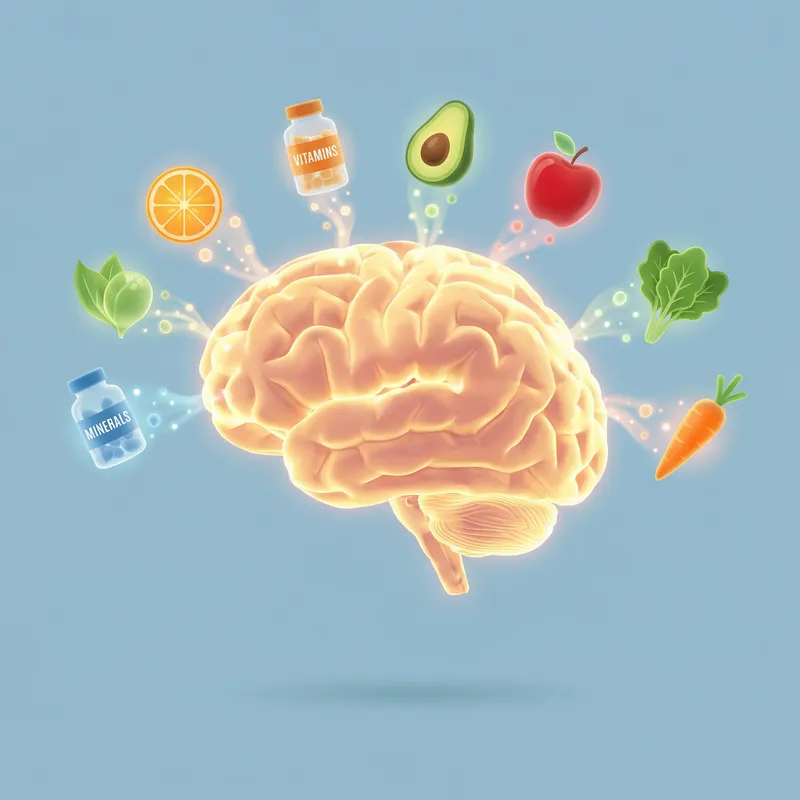
Minerals are essential nutrients that the human body needs in small amounts to function properly. Unlike vitamins, minerals are inorganic elements that come from soil and water and are absorbed by plants or eaten by animals. Despite being required in small quantities, minerals play a major role in maintaining health, supporting growth, and preventing disease.
According to the National Institutes of Health (NIH), minerals are involved in many critical body processes, including building strong bones, transmitting nerve impulses, and maintaining a healthy heartbeat (NIH, 2023). They are generally divided into two groups: macrominerals, such as calcium and potassium, which are needed in larger amounts, and trace minerals, such as iron and zinc, which are needed in smaller amounts but are still essential.
This article explains five important reasons why minerals are necessary in our daily lives, supported by scientific research.
1. Minerals Support Essential Body Functions
Minerals are crucial for basic body functions that keep us alive and healthy. These include muscle movement, nerve signaling, and maintaining fluid balance.
For example, calcium is necessary for muscle contraction and nerve communication, while potassium helps regulate fluid balance and heart function. Magnesium also plays a role in nerve transmission and muscle relaxation. According to a study published in the Journal of the International Society of Sports Nutrition, these minerals are involved in hundreds of biochemical reactions that help the body function efficiently (Volpe, 2015).
Additionally, the U.S. National Library of Medicine (MedlinePlus) explains that electrolytes such as sodium and potassium help maintain the body’s internal balance and ensure that cells function properly (MedlinePlus, 2022).
Without sufficient minerals, these essential processes can be disrupted, leading to muscle weakness, irregular heartbeat, and other health problems.
2. Minerals Are Critical for Bone and Teeth Health
One of the most well-known roles of minerals is building and maintaining strong bones and teeth. Calcium and phosphorus are the primary minerals responsible for bone structure.
Research from the National Center for Biotechnology Information (NCBI) shows that about 99% of the body’s calcium is stored in bones and teeth, where it provides strength and structure (Ross et al., 2011). Magnesium and fluoride also contribute to bone health by improving bone density and preventing decay.
Minerals are especially important during childhood and adolescence, when bones are developing. However, they remain important throughout life, as they help maintain bone strength and reduce the risk of osteoporosis.
A lack of calcium and other bone-supporting minerals can lead to weak bones, fractures, and long-term skeletal issues.
3. Minerals Help Produce Energy and Support Metabolism
Although minerals do not directly provide energy like carbohydrates or fats, they are essential for the processes that convert food into energy.
Phosphorus, for example, is a key component of ATP (adenosine triphosphate), which is the body’s main energy molecule. Magnesium supports enzymes involved in energy production, and iron is necessary for oxygen transport in the blood.
According to research published in Advances in Nutrition, minerals act as cofactors for enzymes that regulate metabolism and energy production (Maughan, 2017). Without these minerals, the body cannot efficiently convert nutrients into usable energy.
Iron deficiency, in particular, is a common issue worldwide and is known to cause fatigue, weakness, and decreased physical performance due to reduced oxygen delivery (World Health Organization, 2021).
4. Minerals Strengthen the Immune System
A strong immune system is essential for protecting the body against infections and diseases, and minerals play a key role in supporting immune function.
Zinc is one of the most important minerals for immunity. It helps develop and activate immune cells. Selenium acts as an antioxidant, protecting the body from damage caused by harmful molecules called free radicals.
According to a review published in Nutrients, zinc deficiency can weaken immune response and increase susceptibility to infections (Gombart et al., 2020). Similarly, selenium has been shown to enhance immune defense and reduce inflammation.
The Harvard T.H. Chan School of Public Health also highlights the importance of minerals like iron and zinc in maintaining a healthy immune system (Harvard Health Publishing, 2020).
Without adequate mineral intake, the body becomes more vulnerable to illnesses and takes longer to recover from infections.
5. Minerals Help Prevent Diseases and Maintain Long-Term Health
Minerals are not only important for daily body functions but also for preventing chronic diseases and maintaining long-term health.
For example, potassium helps regulate blood pressure and reduces the risk of heart disease. Magnesium supports heart rhythm and muscle function, while calcium helps prevent bone diseases like osteoporosis.
According to the World Health Organization (WHO), mineral deficiencies are a major global health issue and are linked to conditions such as anemia (iron deficiency), high blood pressure, and weakened immunity (WHO, 2021).
Research from Harvard Health Publishing also shows that maintaining proper mineral intake can reduce the risk of chronic conditions such as cardiovascular disease and improve overall health outcomes (Harvard Health Publishing, 2020).
Ensuring a balanced intake of minerals is therefore essential for both immediate health and long-term well-being.
Conclusion
Minerals are vital nutrients that play a wide range of roles in the human body. From supporting essential body functions and building strong bones to producing energy and strengthening the immune system, their importance cannot be overstated.
Scientific research from trusted organizations such as the NIH, WHO, and Harvard Medical School clearly shows that minerals are necessary for maintaining health and preventing disease. Even though they are needed in small amounts, their impact on the body is significant.
To maintain proper mineral levels, it is important to eat a balanced diet that includes fruits, vegetables, whole grains, dairy products, and lean proteins. These foods provide the essential minerals needed for the body to function at its best.
In conclusion, minerals are a key part of a healthy lifestyle. By understanding their importance and ensuring adequate intake, individuals can improve their overall health, enhance daily performance, and reduce the risk of long-term health problems.
References
- National Institutes of Health (NIH). (2023). Minerals: Fact Sheet.
- MedlinePlus. (2022). Minerals. U.S. National Library of Medicine.
- Ross, A. C., et al. (2011). Dietary Reference Intakes. National Academies Press.
- Volpe, S. L. (2015). Minerals and Athletic Performance. Journal of the International Society of Sports Nutrition